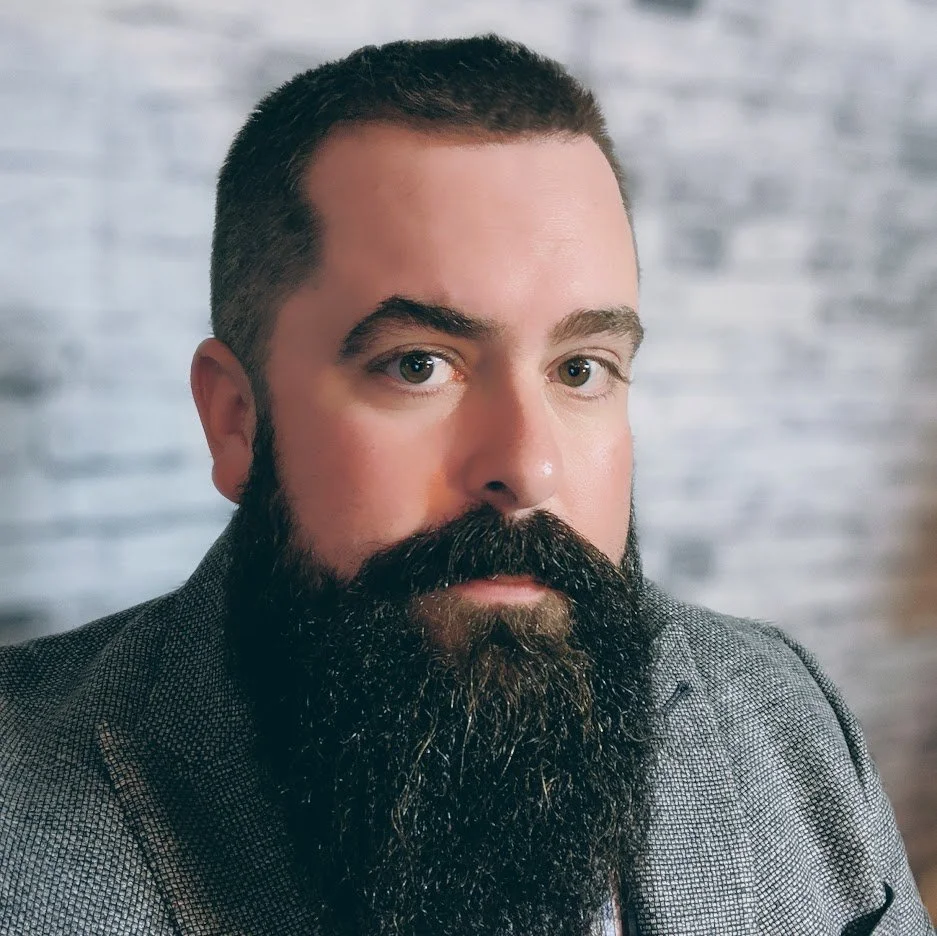
Hi, I’m Curtis 👋
Every organization knows more than it thinks. I build connections - between people, content, and AI agents - that let that knowledge flow.
Intro
Most knowledge doesn't move easily through an organization. It's locked in someone's head, buried in a slide deck, or scattered across tools nobody can search. I've spent 19 years fixing that - building enterprise knowledge programs that help people connect, collaborate, learn, and get things done.
I'm at my best when I'm both setting strategy and getting hands-on with execution. I care about building knowledge programs people actually want to use - programs that earn trust, scale, and stay useful as the people, technology, and business around them change.
Work
My work takes place at the intersection of knowledge management, AI, and the digital employee experience - previously at companies such as LinkedIn, Blend, Zendesk, Amgen, Kellogg, and Deloitte.
The throughline has been connecting people to what they need to do their best work. Sometimes that's a document, knowledge article, proposal, SOP, or an AI-generated answer. But just as often, it's another person - the colleague who's solved this before, the expert whose knowledge lives only in their head, or the community of practice that can surface an answer at the moment of need.
Study
Doctor of Education (EdD), Adult Education and Knowledge Management
Dissertation: "Toward a Framework of Critical Success Factors for Knowledge Management: Perceptions of Knowledge Management Scholars and Practitioners"
Master of Business Administration (MBA)
Bachelor of Science (BS), Organizational Business Management